Vitamins & Minerals

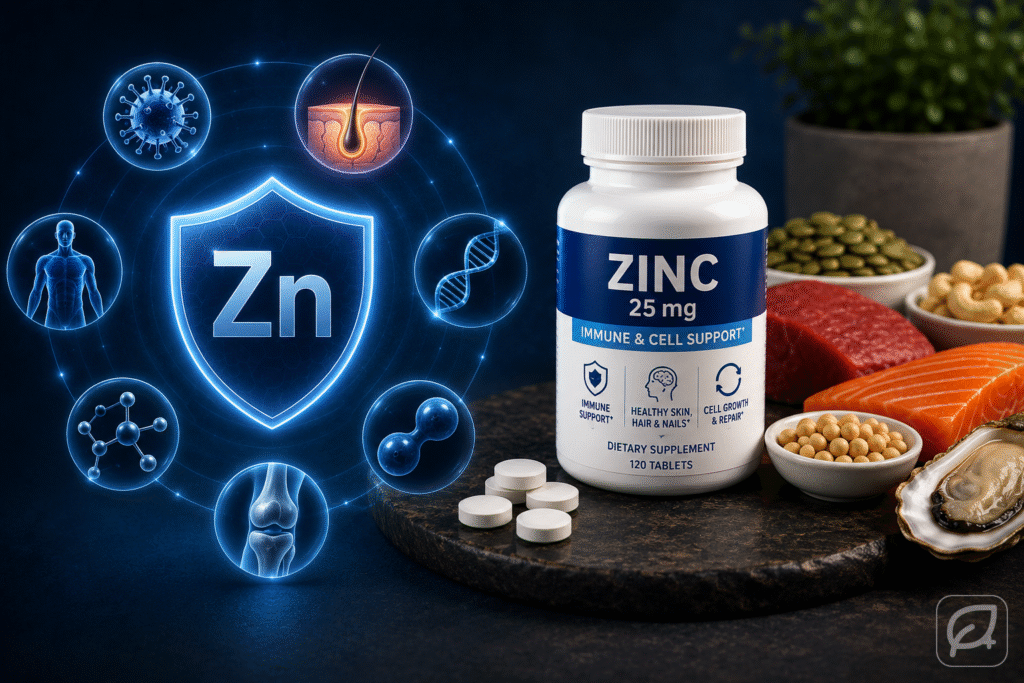
Zinc: Benefits, Dosage, and Why More Isn’t Better

Zinc is an essential mineral involved in immune function, wound healing, taste and smell, and hundreds of enzyme reactions. It’s also a supplement where the gap between the right dose and too much is unusually narrow — and where taking “extra for immunity” can quietly backfire. How much zinc do you need? The Recommended Dietary

Zinc: Benefits, Dosage, and Why More Isn’t Better Read More »

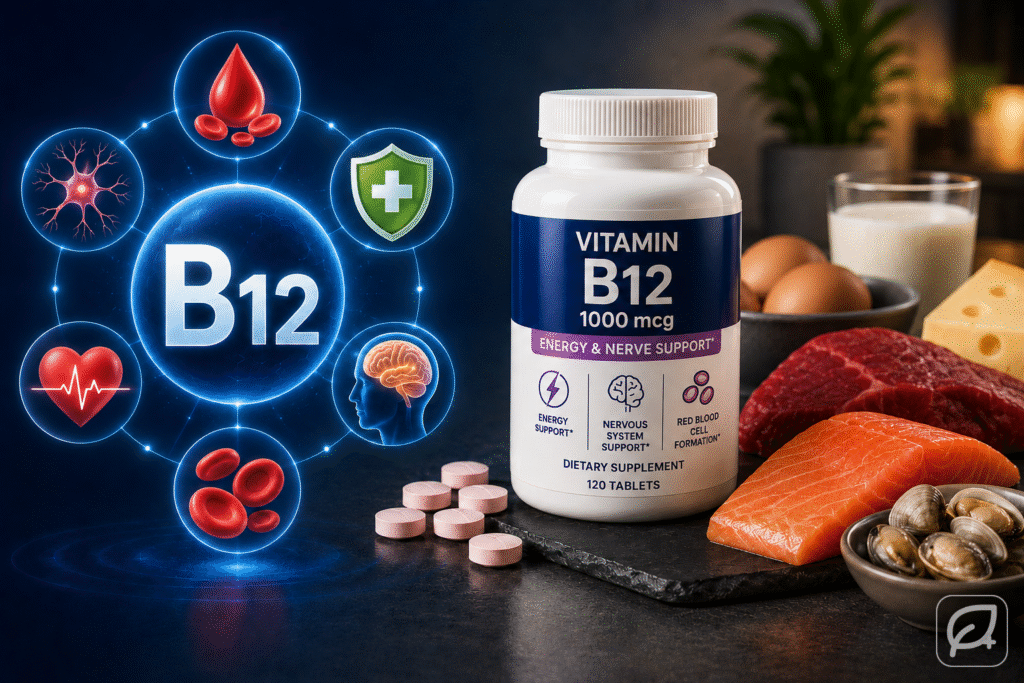
Vitamin B12: Who Actually Needs to Supplement

Vitamin B12 is essential for nerve function, red blood cell formation, and DNA synthesis — and it’s unusual among vitamins in two ways: deficiency is common in specific, predictable groups, and toxicity is essentially a non-issue. That combination makes B12 one of the most clearly justified supplements for the right people. Who actually needs B12

Vitamin B12: Who Actually Needs to Supplement Read More »

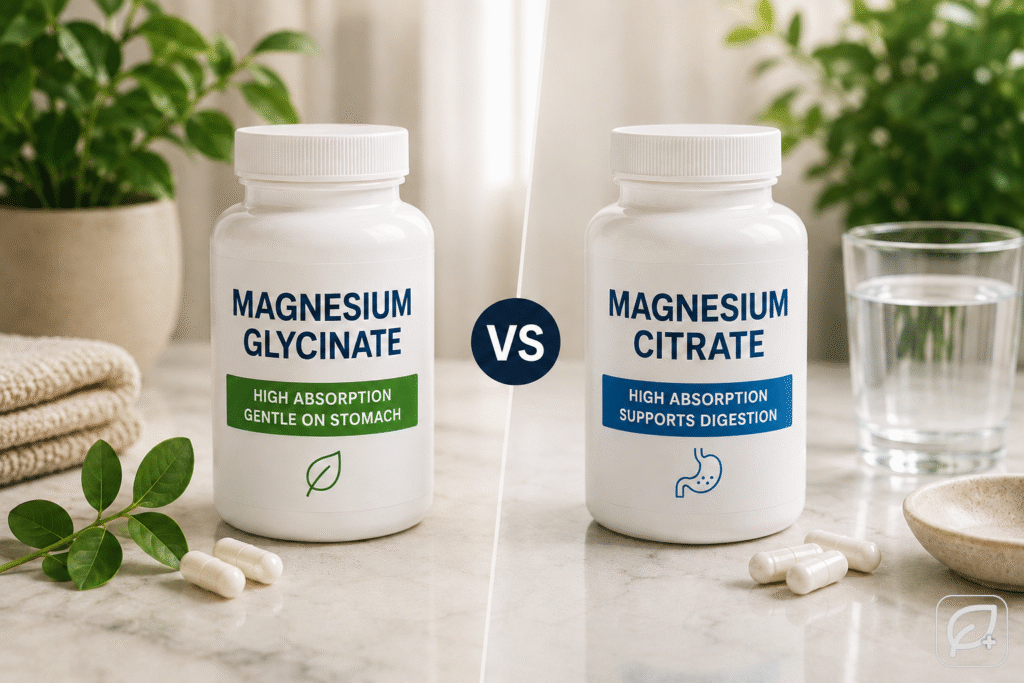
Magnesium Glycinate vs Citrate: Which Should You Take?

Magnesium glycinate and magnesium citrate are two of the most popular magnesium supplements — and they’re often confused. Both are well absorbed, but they behave differently in the body, and the right one depends entirely on why you’re taking magnesium. Here’s the short version before the details: Choose glycinate for sleep, relaxation, anxiety, or gentle

Magnesium Glycinate vs Citrate: Which Should You Take? Read More »

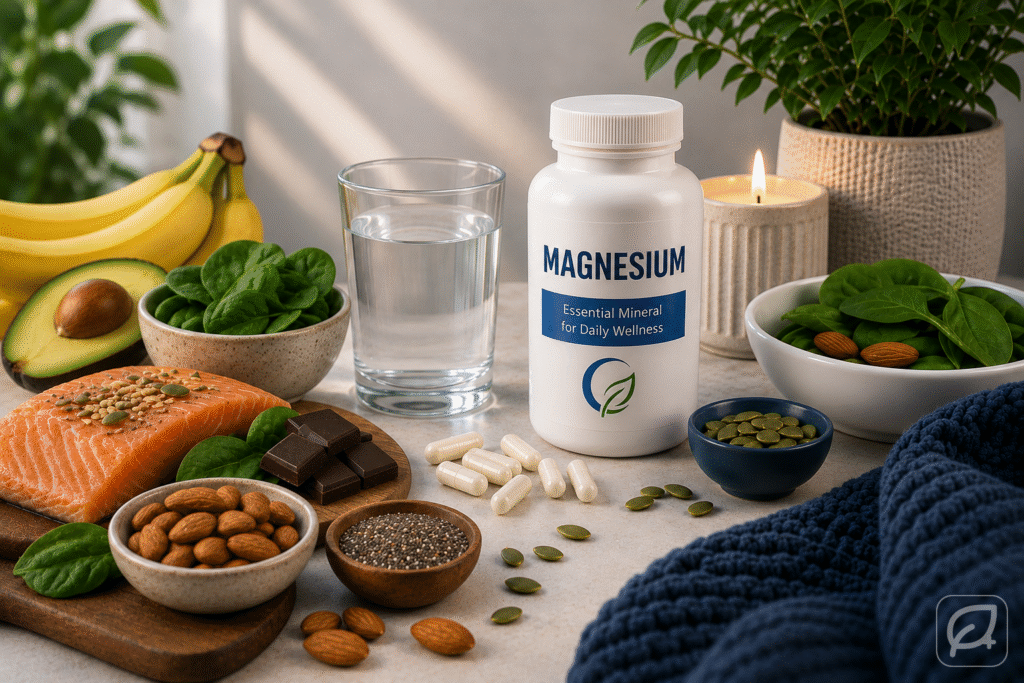
Magnesium: Benefits, Dosage, and How to Choose a Form

Magnesium is one of the most commonly supplemented minerals, involved in over 300 enzyme reactions in the body — including muscle and nerve function, blood sugar regulation, blood pressure, and bone health. It’s also one of the most confusing supplements to shop for, since it comes in half a dozen different forms with different uses.

Magnesium: Benefits, Dosage, and How to Choose a Form Read More »